
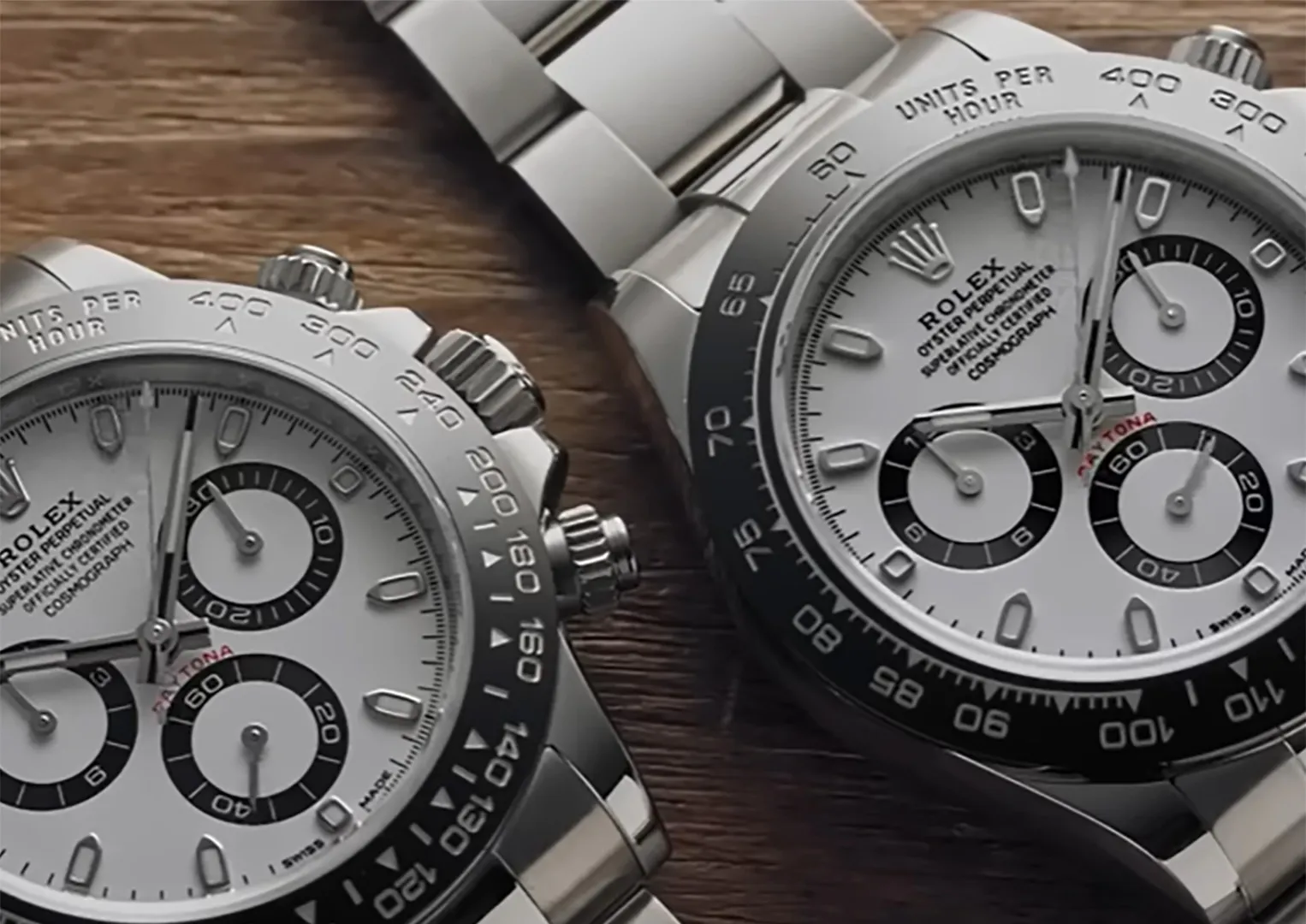
The best examples of craftsmanship usually got that way long before anyone strapped the watch on.
Most people judge a super clone watches within seconds of picking it up. The weight feels right, the bracelet moves the way it should, the dial reads clean from every angle. That first impression is real but it’s the output of dozens of decisions made way earlier in production, not something that happened in one moment on the assembly line.
Every Stage Adds Something
A finished watch is built piece by piece. Each component goes through its own separate process before final assembly even starts.
Cases get machined to precise dimensions. Dials get printed and checked for consistency. Hands get finished carefully. Bracelets get checked to make sure the links fit together without extra play. None of these steps is impressive on its own stack them all up, though, and that’s basically where the finished quality comes from.
Accuracy Isn’t Everything
Modern equipment turns out remarkably precise parts. But precision by itself doesn’t equal craftsmanship.
A perfectly machined case still needs proper finishing. A well-designed dial still depends on clean printing and markers that land where they should. Even a small difference in polishing or brushing changes how light bounces off a super clone watches two pieces with near-identical specs can end up looking noticeably different.
That gap between “technically accurate” and “actually refined” is usually where you can tell how much manufacturing experience went into something.
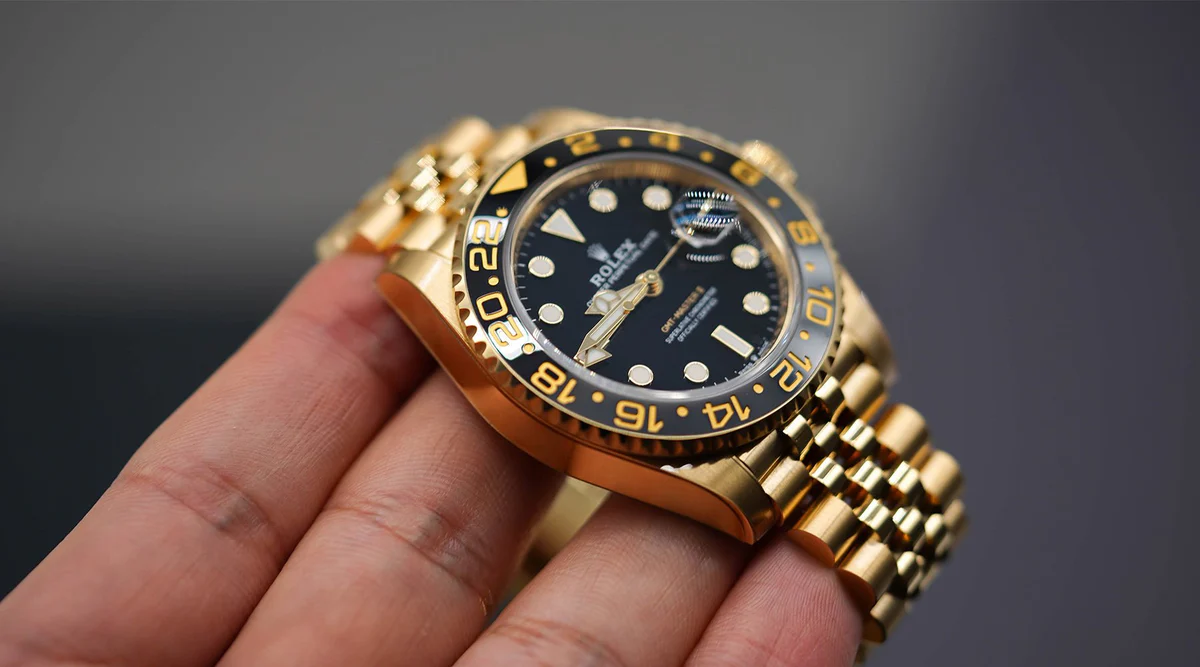
Quality Control Runs the Whole Way Through
Easy to picture quality control as one final check before the box gets sealed. Really it’s woven through the whole process, start to finish.
Typical checkpoints:
- Component dimensions, measured right after machining
- Dial printing, checked under magnification
- Hand alignment, verified before casing
- Bracelet fit and clasp function
- Full assembly confirmed before performance testing
Catch a small issue early and you avoid a much bigger fix later.
Looks Aren’t Enough Performance Gets Checked Too
Appearance is only half the evaluation.
Plenty of watches go through functional testing before they leave the factory confirming the mechanics actually do what they’re supposed to. Depending on the manufacturer that might mean timekeeping checks, power reserve measurement, crown testing, water resistance under pressure.
None of that guarantees a flawless watch. It does tell you something real about whether the thing performs consistently once it’s out of the factory.
What Consistency Actually Buys You
One great watch is a nice sign. Producing that same standard across an entire run that takes disciplined manufacturing, reliable equipment, and inspection that doesn’t cut corners.
You usually only notice this by comparing several examples of the same model side by side. Even finishing, predictable assembly, dependable performance that’s what tells you the production line itself is stable, not that someone got lucky on individual units.
The Spec Sheet Only Gets You So Far
Specs are useful they’re measurable, and they tell you about materials, dimensions, technical features. What they can’t capture is how much care actually went into building the thing.
The watches that end up leaving the strongest impression are usually the ones where every production stage supports the next machining feeding into finishing, finishing feeding into assembly, assembly feeding into inspection. Most of that work is invisible by the time you’re holding the finished piece. Which might be exactly the point when manufacturing’s done right, you stop thinking about the process and just notice the watch.